
What is Digital Marketing?
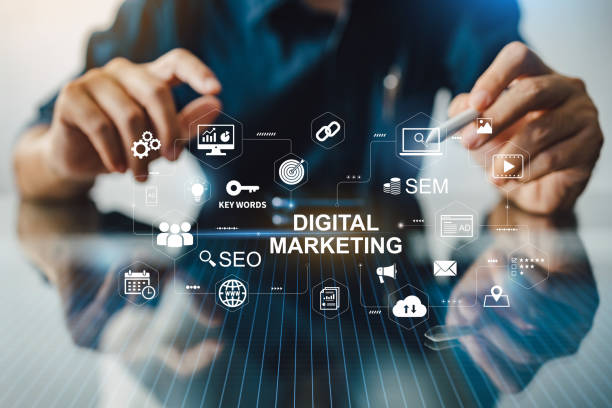
Digital marketing is the promotion of products or brands using electronic devices, the internet, and digital channels like social media, search engines, and email. It enables precise audience targeting, real-time tracking, and cost-effective engagement compared to traditional methods. Key strategies include SEO, content marketing, PPC, and social media.
History
In a world where over 170 million people use social media on a regular basis, every working professional is expected to be familiar with at least the core tenets of Digital Marketing. In simple terms, Digital Marketing is the promotion of products over the internet or any form of electronic media. According to the Digital Marketing Institute, “Digital Marketing is the use of digital channels to promote or market products and services to targeted consumers and businesses.”
People are consuming digital content on a daily basis. Very soon, traditional marketing platforms will disappear, and the digital market will completely take over. There are a number of advantages in Digital Marketing. Unlike traditional marketing, digital marketing is more affordable.
Here is a video explaining how can you become a Digital Marketing Specialist. Hope you find it beneficial. Also, prepare yourself for SEO interview questions to land at your dream job!
How Successful is Digital Marketing?
With the advent of digitalization, it has been observed that the shopping crowd in the markets gradually decreased, and now it is seen that more and more people shop online for themselves and their families. So, there are numerous advantages to promoting your business online because you want to reach the right audience, and your audience is online.
-
- Search Engine Optimization (SEO): Optimizing websites to rank higher in search results to increase organic traffic.
- Search Engine Marketing (SEM) / PPC: Using paid advertising (like Google Ads) to appear at the top of search engine results pages.
- Social Media Marketing (SMM): Utilizing platforms like Facebook, Instagram, and LinkedIn to build brand awareness and engage audiences.
- Content Marketing: Creating valuable content (blogs, videos, ebooks) to attract and retain a defined audience.
- Email Marketing: Sending targeted messages to prospects and customers to promote products or nurture relationships.
- Affiliate Marketing: Partnering with individuals or businesses to promote products in exchange for commissions.
- Influencer Marketing: Leveraging individuals with strong social followings to promote brands.
Key Benefits & Trends
- High ROI & Measurability: Unlike traditional marketing, digital campaigns allow for tracking, reporting, and analyzing performance in real-time.
- Precise Targeting: Marketers can reach specific demographics, interests, and behaviors.
- Global Reach: Digital channels allow businesses to reach a worldwide audience.
- Data-Driven: The use of analytics (e.g., GA4) helps in refining strategies for better results.
How to use AI in Digital Marketing
As AI technologies have become more accessible and easier to use, companies have started to use them in daily tasks such as creating content for pay-per-click (PPC) ads or setting up triggered email workflows.
When we asked our membership community at the Digital Marketing Institute about AI, 60% believe they are familiar with the technology and its applications in marketing but 37% don’t currently have an AI strategy in their business.